Best Herbs for Digestion: Natural Remedies That Really Work
When digestion feels off, it can affect our whole day, making us bloated, uncomfortable, or low on energy. Luckily, nature offers simple herbs that can help support gut health and improve how our digestive system works.
The best herbs for digestion are ones that either speed up digestion, reduce inflammation, or protect the lining of our gut.
We’re talking about herbs like ginger and peppermint that ease bloating and stomach pain. Bitter ones like dandelion root help food move through the gut faster.
Soothing mucilaginous herbs such as slippery elm protect and calm our digestive tract. These natural options have been used for centuries and are backed by research to help us feel better after meals.
In this post, we’ll dive into these herbs and how each one can make digestion easier and more comfortable for us. Whether you’re dealing with occasional indigestion or just want to keep your gut happy, these herbs will give you some natural ways to support your digestive health.
Understanding How Herbs Support the Digestive System
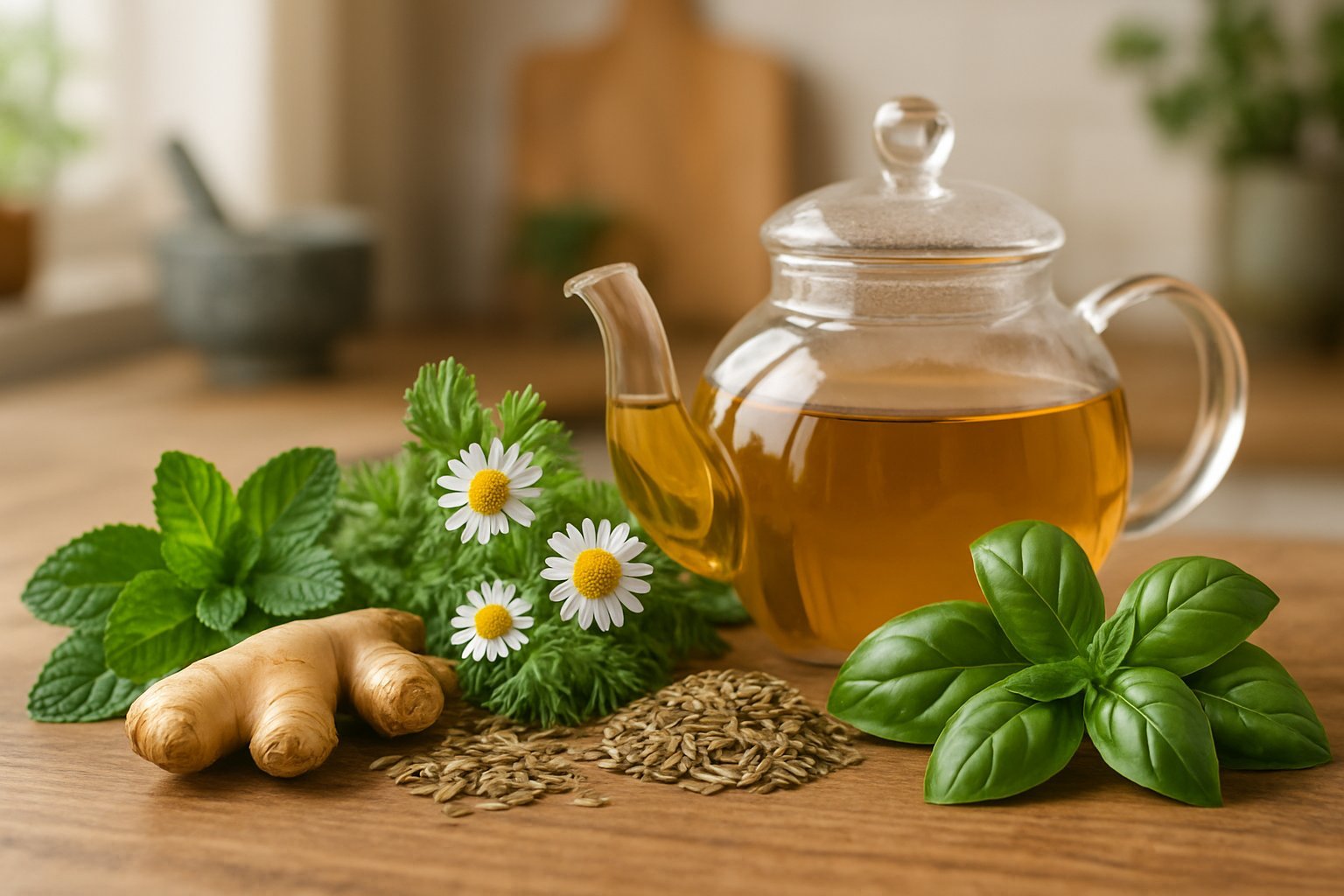
Herbs help our digestive system in different ways. Some boost enzyme production, others calm inflammation or protect the gut lining.
Using the right herbs can ease symptoms like bloating, gas, or constipation. They promote a healthier gut overall.
How Herbs Interact With the Gut
Herbs work by influencing various parts of the digestive system. For example, bitter herbs like dandelion root stimulate saliva and stomach acid, which helps break down food more efficiently.
Aromatic herbs like ginger and fennel contain oils that speed up digestion and reduce gas. Some herbs, called demulcents or mucilaginous herbs like slippery elm and marshmallow root, create a protective coating on the gut lining.
This shield helps soothe irritated tissues and reduces inflammation. Others, like turmeric and licorice, have anti-inflammatory and antimicrobial properties, balancing gut bacteria while calming irritation.
Benefits of a Healthy Digestive System
When our digestion works well, we feel more comfortable after eating and have better energy levels. Nutrients get absorbed properly when stomach acid and digestive enzymes do their jobs.
A healthy digestive system also helps control gut bacteria, which plays a key role in overall health and immune support. Good digestion means less bloating, cramps, or gas.
It can also improve mood since many gut chemicals affect how we feel. When the gut is protected and inflammation is low, it reduces the chance of long-term problems like ulcers or irritable bowel syndrome (IBS).
Common Causes of Poor Digestion
Poor digestion can come from many sources. Eating too much processed or fatty food often slows down digestion.
Stress and lack of sleep impact gut health because they lower stomach acid and reduce blood flow to the digestive organs. Certain medications and alcohol also disrupt how digestion works.
Food intolerances or allergies cause symptoms like bloating or cramps. Infections or digestive diseases further harm the gut lining and inflammation control, causing discomfort and slower nutrient processing.
Top Herbs for Digestion and Their Benefits
Certain herbs stand out for their ability to ease common digestive troubles like gas, bloating, cramps, and indigestion. Using these plants can help us support digestion naturally and even calm an upset stomach without harsh side effects.
Ginger: Nature’s Digestive Elixir
Ginger is great for reducing nausea and helping food move through the stomach and intestines. It has anti-inflammatory properties, which means it can soothe an irritated digestive tract.
We find it handy for calming upset stomachs and reducing bloating. Many people also use ginger to protect against ulcers and support healthy gut bacteria.
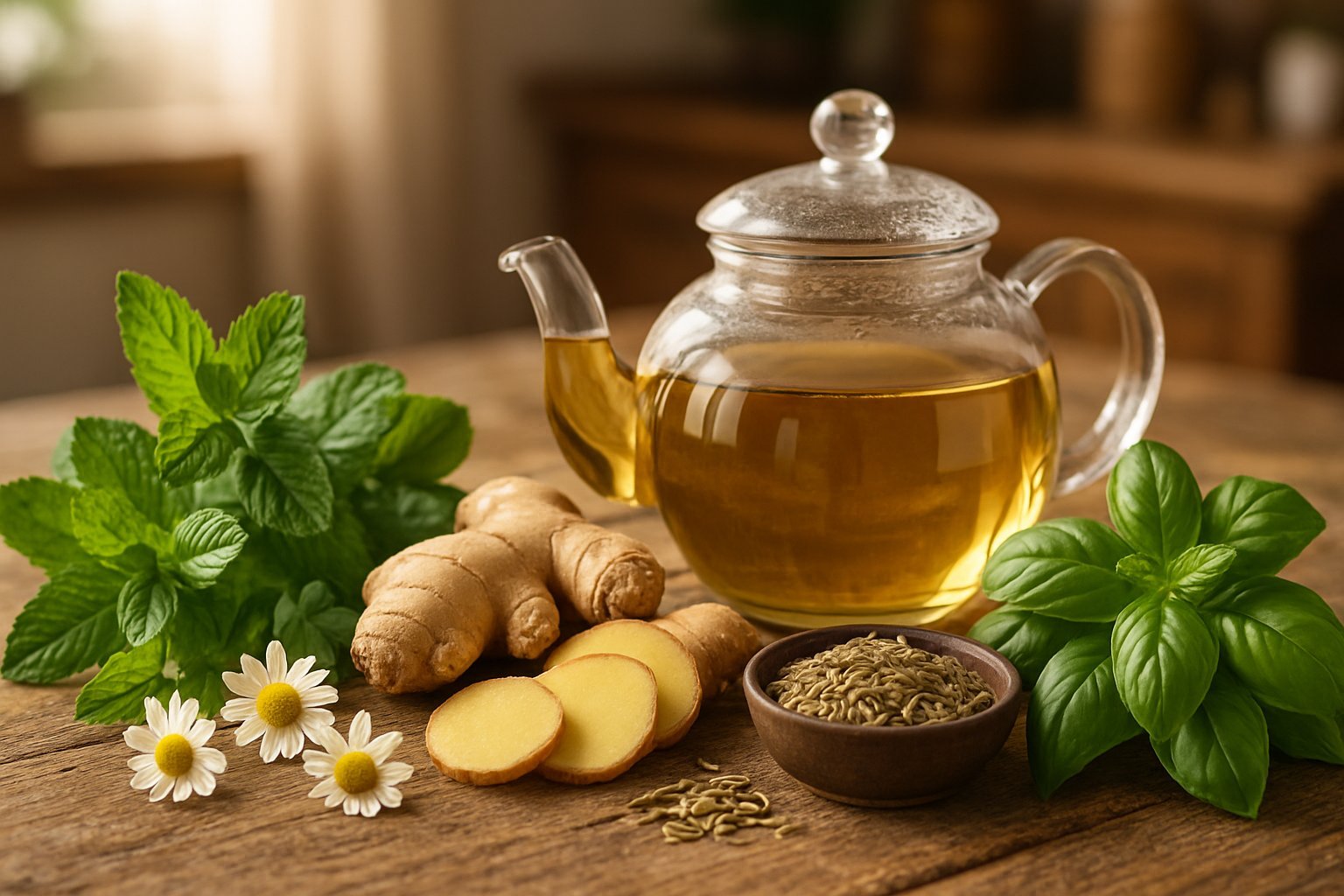
A simple way to enjoy ginger is by making fresh ginger tea. Just steep fresh slices in hot water for 10 minutes.
It’s quick, soothing, and works well when feeling queasy.
Recipe: Fresh Ginger Tea
- Time: 15 minutes
- Tools: Kettle, cup, knife
- Ingredients: Fresh ginger root (1 inch / 2.5 cm), hot water (1 cup / 240 ml), honey (optional)
- Instructions: Slice ginger, steep in hot water for 10 minutes. Add honey if desired.
Fennel: Soothe Gas and Bloating Fast
Fennel seeds have a sweet, licorice-like taste and are well known for quickly easing gas and bloating. Chewing a small amount after meals can reduce discomfort and help digestion.
Fennel also relaxes muscle spasms in the intestines and supports smooth digestion overall. It’s been used for centuries, especially to settle digestion after heavy or rich foods.
You can brew fennel seeds into tea or add the bulb to salads and cooking for extra digestive aid. It’s tasty and useful in various dishes.
Chamomile: Calming the Stomach
Chamomile is famous for its calming effects, not just for the mind but for the digestive system too. It reduces inflammation in the gut and helps with issues like stomach cramps and acid reflux.
We often turn to chamomile tea to ease stress-related digestion problems because it gently soothes and relaxes the digestive muscles.
To get the most benefit, cover the cup while steeping. It’s a simple way to use an ancient herb that helps both digestion and sleep, which is important for healing the gut.
Peppermint and Other Notable Herbs
Peppermint is a strong player in digestive health thanks to menthol, which relaxes digestive muscles and cuts down on cramps and bloating. It’s especially helpful for irritable bowel syndrome (IBS).
Other herbs like licorice root, turmeric, and lemon balm can also support digestion. Licorice reduces inflammation and protects the stomach lining, but it should be used carefully.
Turmeric fights inflammation, while lemon balm works well for gas caused by stress. Drinking peppermint tea or taking peppermint oil capsules can be great ways to include this herb.
Mixing herbs carefully gives us options to find what works best for our digestion.
Herbs That Target Bloating, Gas, and Discomfort
Bloating and gas can make us feel uncomfortable, but certain herbs help reduce these symptoms by calming the digestive system and promoting better digestion. Some herbs work great alone, while others are best when combined to boost their effects.
Gas-Relieving Herbal Solutions
When gas builds up, it causes pressure and cramps. Herbs like peppermint and fennel help relax the gut muscles and reduce gas.
Peppermint contains antispasmodic compounds, which ease muscle spasms and stop cramps. Fennel seeds act as a carminative, meaning they help expel gas and calm the intestines.
Both herbs can be taken as teas or supplements to get quick relief. Ginger also plays a role here.
It helps by reducing inflammation and supporting digestion, which can lower gas buildup from indigestion. These herbs make gas less painful and easier to pass.
Best Herbs for Managing Bloating
Bloating feels like fullness or swelling in the belly, often caused by poor digestion or water retention. Dandelion leaf is a natural diuretic that helps flush excess water from the body, easing bloating caused by water retention.
Gentian and wormwood are bitter herbs that stimulate digestive juices. They help break down food better to prevent gas and bloating before they happen.
Stinging nettle can reduce bloating linked to PMS and acts as a diuretic too. Using these herbs can provide relief by addressing different causes of bloating, from digestion to water balance.
Combining Herbs for Maximum Digestive Comfort
Sometimes, using a mix of herbs works better than just one. For example, combining ginger (that acts on the stomach) with artichoke (which helps the small intestine) offers a full digestive support system.
Another powerful combo is caraway and peppermint oils. Together, they reduce abdominal pain and improve symptoms like bloating, flatulence, and fullness.
This blend targets both digestion and muscle relaxation. We can brew teas or use supplements that include multiple herbs to make sure all parts of the digestive process get support.
Mixing herbs carefully helps relieve gas, bloating, and discomfort faster and more completely.
Ayurvedic and Traditional Digestive Herbs
Many traditional herbs help improve digestion by reducing bloating, easing stomach discomfort, and balancing gut health. These herbs have been used for centuries in Ayurveda and other natural medicine systems to support a healthy digestive process.
Triphala: The Ayurvedic Powerhouse
Triphala is a classic Ayurvedic blend made from three fruits: amla, haritaki, and bibhitaki. It is well-known for gentle detoxification and promoting regular bowel movements.
This blend supports digestion by boosting enzymes and improving nutrient absorption. It may also reduce inflammation in the gut and help with digestive disorders.
People often take Triphala as a powder or tablet, usually before bed, to support overnight digestion and cleansing. It’s important to start with small doses to see how our bodies react.
Ajwain and Carom Seeds
Ajwain, or carom seeds, are spice-like seeds often used in cooking. They are famous for soothing upset stomachs and easing gas and bloating.
These seeds contain thymol, which relaxes the muscles in our digestive tract and helps food move smoothly. People use ajwain by chewing the seeds or brewing them in hot water as a tea.
Ajwain is also known to boost appetite and relieve indigestion quickly, making it a handy herb to keep for occasional stomach discomfort.
Holistic Approach to Digestion
Using herbs like Triphala and ajwain works best when combined with good eating habits and lifestyle choices. Ayurveda teaches that digestion improves when we eat mindfully and avoid processed foods.
Adding fiber-rich foods, staying hydrated, and managing stress all help our digestive fire, or Agni, stay strong.
We can think of herbs as part of a team—including diet and lifestyle—that keeps the digestion system running smoothly over time.
Simple Ways to Use Digestive Herbs Daily
We can easily add digestive herbs into our everyday routines without too much fuss. Drinking herbal teas, mixing fresh herbs into meals, or making simple homemade remedies are great ways to support our digestion naturally.
Let’s look at how these small habits can fit into our day.
Herbal Teas and Infusions for Digestion
Herbal teas are one of the simplest ways to enjoy digestive herbs like ginger, chamomile, and fennel. Brewing fresh or dried herbs in hot water lets us access their calming and soothing effects quickly.
For example, ginger tea helps reduce nausea and supports digestion, while chamomile tea can ease stomach cramps and lower digestion-related stress. Fennel seed tea helps reduce gas and bloating after meals.
Drinking a cup of herbal tea about 20 minutes before or after meals can promote smoother digestion. We can also mix herbs, like chamomile with a pinch of crushed fennel, to create calming blends that taste great and help our gut.
Adding Herbs to Meals
We don’t need to limit herbs to teas. Adding fresh or dried herbs to our cooking is a tasty way to help digestion.
Ginger shines in stir-fries, soups, and marinades. It adds a warm flavor and helps food move through our digestive system.
Fennel can be eaten raw in salads, roasted as a vegetable, or added to dishes for its mild licorice taste and digestive benefits. Chamomile isn’t just for tea—it can be added to desserts or infused in syrups for a subtle floral note.
Recipe: Simple Fennel Salad
- Prep time: 10 minutes
- Tools: Knife, cutting board, bowl
- Ingredients:
- 1 fennel bulb (about 200g / 7oz), thinly sliced
- 1 lemon (juice only)
- 2 tbsp olive oil
- Salt and pepper to taste
- Instructions:
- Slice fennel thinly and place in a bowl.
- Add lemon juice, olive oil, salt, and pepper.
- Toss gently and serve fresh.
Homemade Digestive Remedies
Making remedies at home is a hands-on way to use digestive herbs. For quick relief, ginger capsules are easy to take on the go, or we can make tinctures and syrups to soothe our stomach.
A cold infusion of chamomile or fennel seeds made by soaking them in water overnight works well for sensitive digestion. Marshmallow root and slippery elm (if available) also make gentle, healing drinks for upset stomachs.
We can also create bitters blends, using herbs like ginger or angelica root, which encourage appetite and improve digestion before meals. Simple combinations like ginger, lemon balm, and honey mixed in warm water make a refreshing digestive tonic.
Making these small remedies lets us tailor how much of each herb we need, depending on how our stomach feels that day.
Maintaining a Healthy Digestive System Naturally
Taking care of our digestion means paying attention to how we live and what we eat. Knowing when to ask for help is also important.
Small changes can make a big difference in how we feel every day. Using herbs alongside good habits helps keep everything running smoothly.
Lifestyle Tips for Better Digestion
Eating slowly and chewing thoroughly can help our stomachs break down food better. Drinking enough water throughout the day keeps things moving in our digestive tract, which can prevent constipation.
Regular exercise also plays a role in digestion by helping food move through our system. Managing stress is important too, since stress can cause stomach cramps or slow digestion.
Simple activities like walking, yoga, or deep breathing can calm us down. Avoiding heavy meals late at night can reduce digestive discomfort.
Limiting highly processed foods or excess sugar can also help. Instead, we should focus on balanced meals with fiber-rich fruits, vegetables, and whole grains.
Pairing Herbs With Digestive Habits
Herbs like peppermint, ginger, and chamomile work well when we use them alongside healthy habits. For example, sipping peppermint tea after a meal may ease gas and bloating.
Fresh ginger tea made by steeping sliced ginger in hot water can reduce nausea and stimulate digestion. Drinking it before or after meals helps our stomachs handle food better.
Chamomile tea is gentle and great for calming upset stomachs and reducing inflammation. Having a cup in the evening can also support restful sleep, which aids digestion.
Using herbs regularly but moderately is best.
When to See a Healthcare Professional
If digestive symptoms like stomach pain, bloating, or changes in bowel habits last more than a week, it’s smart to check with a doctor. Persistent nausea, blood in stool, or unexplained weight loss also need medical attention.
Herbs can help with mild or occasional issues but don’t replace professional advice for serious conditions like ulcers, IBS, or infections.
Getting a proper diagnosis ensures we use the right treatments. Sharing the herbs or supplements we use with our healthcare provider is important to avoid interactions with other medicines.
Frequently Asked Questions
We often look for simple, natural ways to ease stomach problems and boost digestion. Some herbs are great at calming upset stomachs, while others help with gas, bloating, or indigestion.
Drinking the right teas and using herbs properly can make a noticeable difference in how we feel.
What herbs can help soothe my upset stomach?
Ginger is one of the best herbs to calm an upset stomach. It helps reduce nausea and eases stomach pain.
Chamomile is another good option. It soothes cramps and helps with discomfort caused by stress.
Are there any natural remedies for improving digestion?
Yes, herbs like fennel and peppermint can support digestion naturally. They help relax the digestive tract and promote smooth digestion.
Turmeric also helps by reducing inflammation and supporting digestion of fats.
Which herbs are known for reducing bloating and gas?
Fennel and caraway seeds work well to reduce gas and bloating. Chewing them after meals can prevent discomfort.
Peppermint helps relax muscles in the gut, easing cramps and bloating too.
Can certain herbs alleviate symptoms of indigestion?
Ginger and licorice root are well-known for helping with indigestion symptoms. Licorice can soothe acid reflux and heartburn by protecting the stomach lining.
What are the best teas to drink for digestive health?
Ginger tea and peppermint tea are popular choices for after meals. Chamomile tea is great before bedtime to ease digestion and help relax the body.
How do I use herbs to enhance my digestive system effectively?
We can add fresh or dried herbs like ginger and fennel to meals or brew them as teas. Consuming small amounts regularly helps.
For example, drinking ginger tea after eating or chewing a few fennel seeds after meals can aid digestion without much effort.